
Packing school lunch can feel like a puzzle, especially on a busy morning. You want enough variety to keep things interesting, but you also need foods your child will actually eat. The good news? You don’t need a complicated menu or a picture-perfect lunchbox. A simple, flexible formula can take most of the guesswork out of the routine.
Start with a familiar main, add a fruit or vegetable, include a satisfying side, and finish with something fun. From there, mix, match and make it your own.
A Simple School Lunch Formula
There’s no single “perfect” lunch. The best lunchbox is one that works for your family and includes foods your child is happy to see when lunchtime rolls around.
When you’re wondering what to pack, choose one item from each of these groups:
- A main: Try a sandwich, wrap, pasta, pizza, waffle or another family favorite.
- A fruit or vegetable: Add baby carrots, berries, sliced pears or whatever produce your child enjoys.
- A protein or satisfying side: Choose eggs, chicken, beans, yogurt, cheese or seed butter based on your family’s needs and school guidelines.
- A fun extra: Include a favorite dip, crunchy snack or small treat.
Think of this as a starting point, not a rulebook. Use what’s already in the refrigerator, swap in seasonal produce and keep a few dependable favorites in rotation. You’ll create variety without having to invent a brand-new lunch every morning.
Need a little inspiration? See three easy back-to-school lunch ideas featuring leftovers, snackable bites and breakfast for lunch.
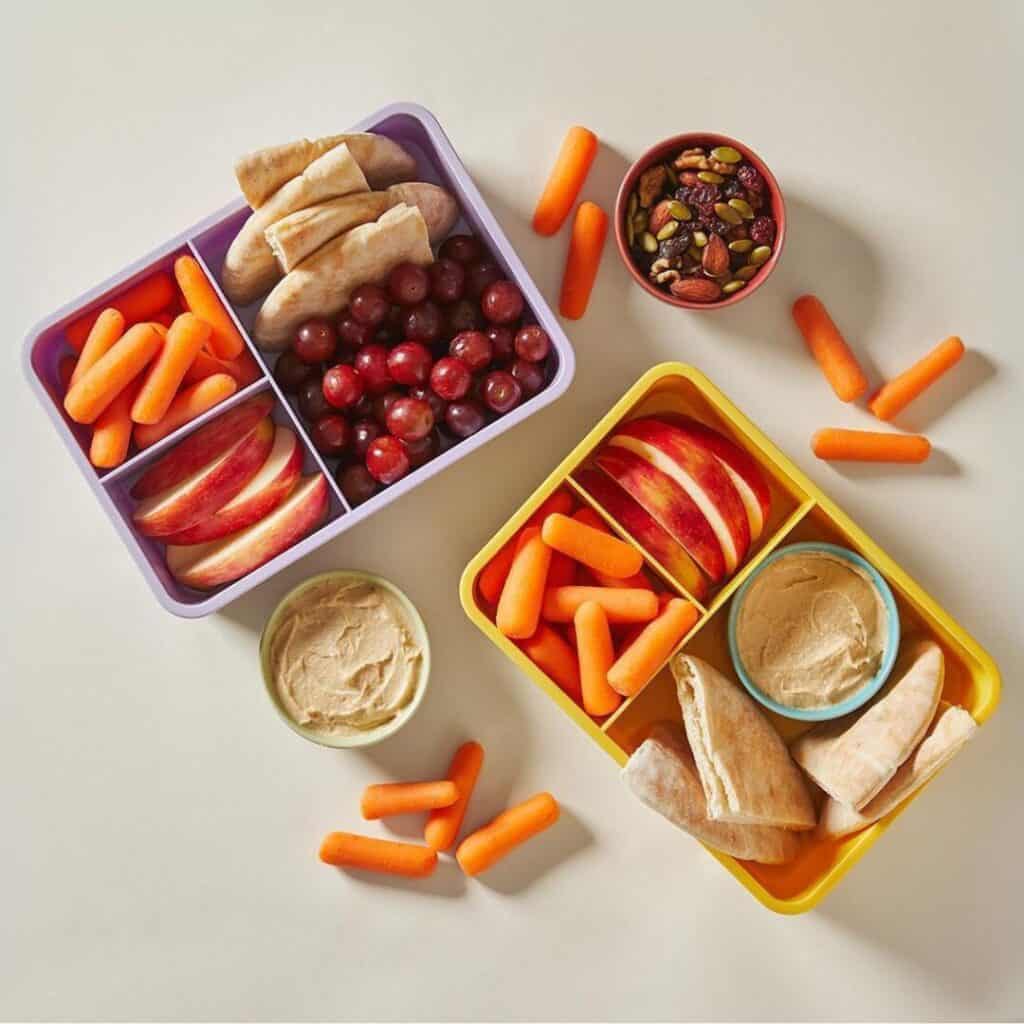
Why Baby Carrots Are a Lunchbox Classic
Grimmway Farms baby carrots make school lunch refreshingly simple. They’re pre-washed and ready to eat, so you can add them to a lunchbox without peeling or chopping. They’re delicious on their own and pair easily with ranch, hummus, yogurt-based dips or seed butter.
That familiar crunch comes with plenty of goodness, too. One 3-ounce serving contains 30 calories, 3 grams of dietary fiber and 590 micrograms of vitamin A, 65% of the Daily Value. Orange carrots also contain beta-carotene, which the body converts into vitamin A. Learn more about carrot nutrition and the benefits associated with different carrot colors.
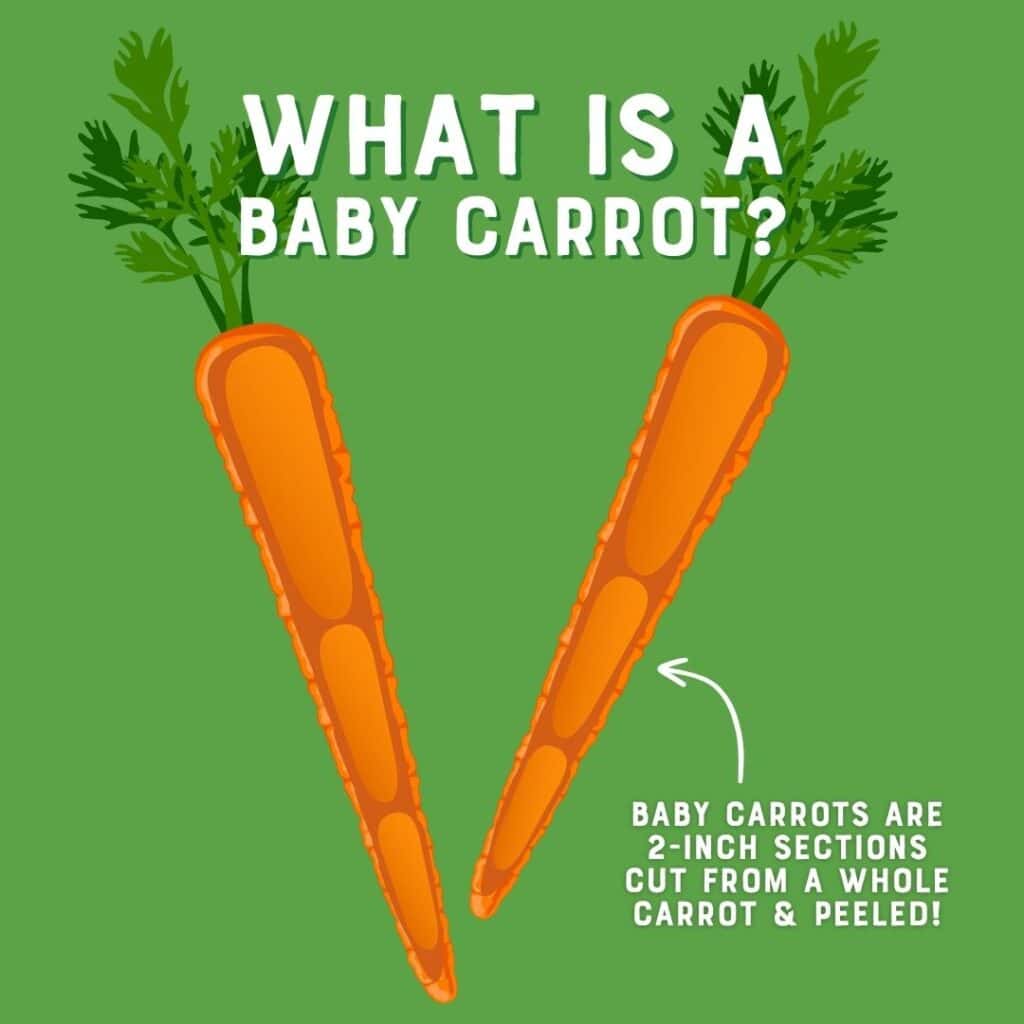
Here’s a fun fact to share with the kids: baby carrots don’t grow in their familiar two-inch shape. Grimmway grows a special variety of carrot that is long and slender. The carrots are then cut, peeled, polished, washed and cooled to create the convenient bites families know and love.
Want to learn even more? Visit the Grimmway Farms carrot FAQs to find out how baby carrots are made, why carrots sometimes develop a white appearance, how they should be stored and answers to other common carrot questions.
Five Tips for Easier Lunch Packing
Even simple lunch ideas feel easier with a little planning. Try these small habits to take some of the rush out of your morning:
1. Prep What You Can the Night Before
Wash and portion fruit, prepare hard-boiled eggs or roll up a wrap ahead of time. Since baby carrots are already washed and ready to eat, that’s one less task on your list.
2. Create a Lunchbox Station
Keep reusable containers, dip cups, napkins and lunch bags together. When everything has a home, no one has to hunt for a missing lid before school.
3. Invite Kids to Help
Offer a few parent-approved choices and let your child pick one item for each section of the lunchbox. Kids may be more excited to eat a lunch they helped build. Remember to check your school’s allergen policies when choosing spreads and packaged foods.
4. Keep Cold Foods Cold
Use an insulated lunch bag and enough cold sources to keep perishable foods chilled until lunchtime. Pack dips and juicy foods in leak-resistant containers so lunch arrives ready to enjoy.
5. Keep a Favorites List
When a combination is a hit, write it down. Before long, you’ll have a go-to list of easy school lunches to rotate throughout the week.
How to Help Baby Carrots Stay Crisp
Keep baby carrots refrigerated in their original package until it’s opened. After opening, transfer them to a resealable bag or airtight container and return them to the refrigerator. Adding a damp paper towel can help maintain freshness, but avoid storing carrots in water, which may soften their texture.
You can portion carrots into a small container the night before, then add a favorite dip in the morning. It’s an easy way to bring fresh color and crunch to almost any lunch.
Make the Formula Work for Your Family
A great lunchbox doesn’t need to be complicated. Start with foods your child knows, add a little variety and make the routine easier wherever you can. With a flexible formula and a few make-ahead habits, packing school lunch can become one less thing to puzzle over.
For more family-friendly inspiration, explore the Grimmway Farms recipe collection.
Limited-Time Packaging
Look for a back-to-school classic, available for a limited time! Grimmway Farms 1 lb. baby carrots are dressed for the season in our limited-edition Classic Crunch packaging. Find them at participating Walmart and Hy-Vee stores while supplies last.